In short
A smile makeover is a planned combination of treatments to change how your smile looks and works. It starts with a Smile Design Consultation, photographs and a 3D scan, then a wax-up or mock-up so you can preview the result. Treatment is done in a set order: healthy gums first, then any straightening and whitening, then bonding, veneers or crowns. A conservative version is the ABC method: align, bleach (whiten), then bond. I provide smile makeovers at Bridge Dental & Implant Clinic in Derby.
Who is a smile makeover for?
- Several things you would like to change at once, such as colour, shape, gaps and crowding
- Worn, chipped or heavily filled front teeth
- A gummy smile together with short or uneven teeth
- Missing teeth as part of a wider plan
- Old crowns or veneers that no longer match
Not everyone needs a full makeover. Sometimes one or two treatments give the change you want, and I will say so.
Why plan it as one design?
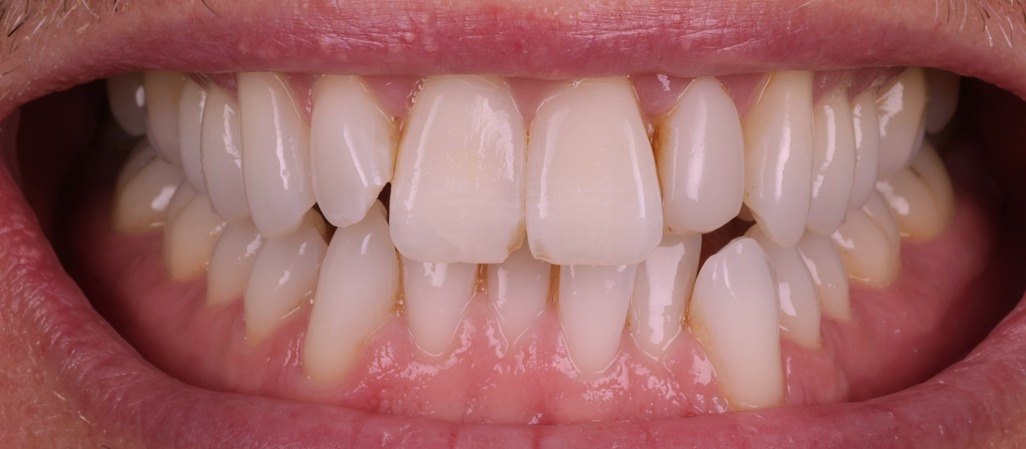
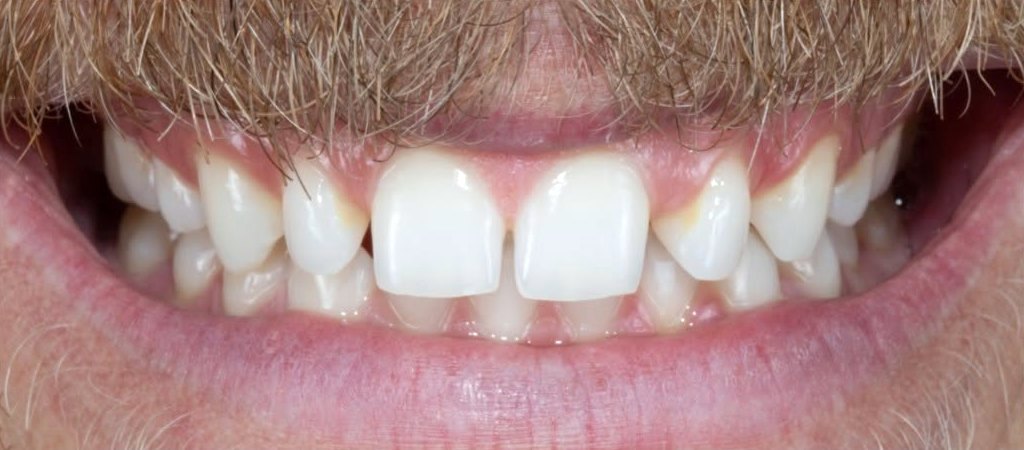
Treating teeth one at a time, without an overall plan, can leave a smile that does not fit together: a new crown that does not match, edges at different heights, or a gum line that is uneven. Designing the whole smile first means each step is done for a reason and in the right order.
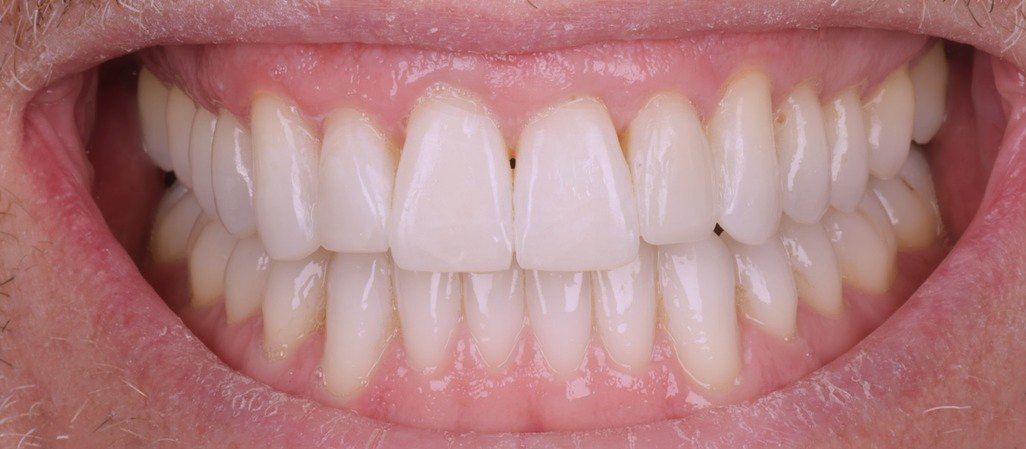
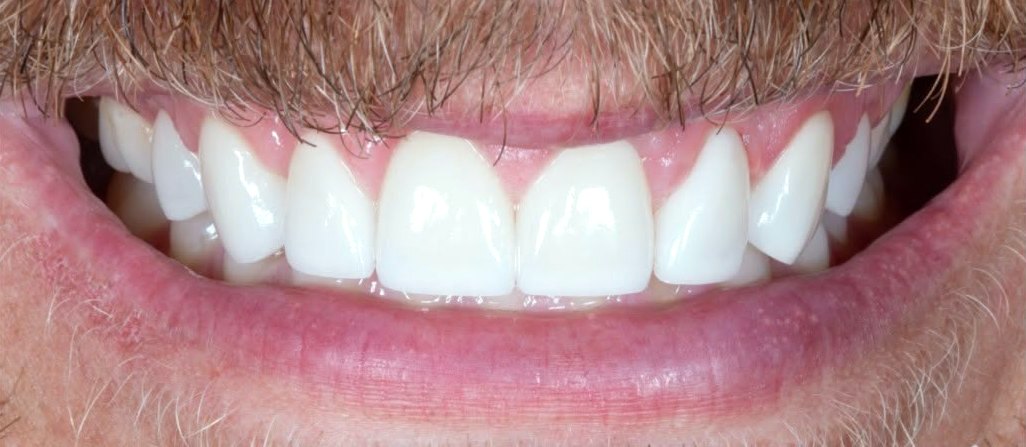
The design is based on your face, lips and gum line, not a template. It is made up as a wax model and copied onto your teeth as a temporary mock-up, so you can see it, show it to people you trust and ask for changes before any permanent treatment.
The ABC method: align, bleach, bond
The ABC method is a conservative way to improve a smile with little or no removal of healthy tooth:
- Align. Clear aligners straighten the teeth, so less needs to be added or removed later.
- Bleach. Professional whitening lightens their natural colour.
- Bond. Composite bonding refines chipped or uneven edges, matched to the new shade.
It usually takes 6 to 18 months, mostly for the straightening, and often avoids porcelain altogether. It suits people whose teeth are basically healthy but crooked, dull or uneven at the edges. Retainers are needed for life afterwards.
Your smile makeover, step by step
- Smile Design Consultation. We talk about what you would like to change. Photographs, a 3D scan and checks of your gums, bite and existing fillings or crowns follow.
- Design and preview. The plan is designed digitally and as a wax-up, then tried in your mouth as a mock-up. Your written plan sets out every stage, timing and fee.
- Foundations. Any gum disease or decay is treated first, and missing teeth are planned for with implants or bridges where needed.
- Moving and brightening. Straightening with aligners and whitening, if part of the plan, come next, because they change what the final teeth need to be.
- Shaping. Crown lengthening for a gummy smile, then bonding, veneers or crowns, made to the design you approved.
- Review and protection. Your bite and gums are checked, and retainers or a night guard are made where needed.
Recovery and looking after your new smile
- During treatment. What you feel depends on each stage: tightness with new aligners, mild sensitivity during whitening, and tenderness for a few days after gum reshaping or tooth preparation.
- Getting used to it. New edges and shapes can feel unfamiliar when speaking and biting for a week or two.
- Every day. Clean carefully around bonding, veneers and crowns, wear any retainer or night guard as advised, and avoid biting hard objects.
- Long term. Hygiene visits, polishing and occasional repairs help the result last. Bonding usually needs refreshing sooner than porcelain.
What are the risks?
Each treatment in a makeover carries its own risks, explained in your written plan: for example, sensitivity after whitening, chipping or staining of bonding, irreversible enamel removal for veneers and crowns, and relapse without retainers after straightening. Bigger plans take longer and involve more visits. A mock-up shows the planned result, but the final result can differ slightly because every mouth responds differently.
Makeovers compared with single treatments
- Whitening aloneThe simplest change, if colour is the main concern.
- The ABC methodStraightening, whitening and bonding, with little or no removal of healthy tooth.
- Porcelain veneers or crownsFor bigger changes in shape and colour, or heavily filled teeth.
- No treatmentAlways an option, and nothing is started until you have a written plan.
Where can I have a smile makeover?
I provide smile makeovers at Bridge Dental & Implant Clinic, 415 Burton Road, Derby DE23 6AN. Aesthetic treatment is not offered at Parklands in Nottingham, though gum and implant stages of a plan can be. You can request a consultation directly; you do not need a referral.