Treatments · Porcelain veneers · Derby

Porcelain veneers in Derby.

Porcelain veneers are thin, custom-made shells bonded to the front of teeth to change their shape, colour or length. They are designed around your face and gums and previewed in your mouth before anything is made.

Starts with Smile Design ConsultationPreview Wax-up and mock-upVisits Usually 3 to 4

Or call Derby 01332 364630 · Dentists: refer a patient →

In short

Porcelain veneers are thin layers of porcelain bonded to the front of teeth. They usually need a small amount of enamel to be removed, which is permanent. Treatment typically takes three to four visits over a few weeks, starting with a health check, a digital scan of your teeth and a diagnostic wax-up so you can preview the result. I provide veneers at Bridge Dental & Implant Clinic in Derby.

Who are porcelain veneers for?

  • Teeth that are worn, chipped or uneven in shape
  • Discolouration that whitening cannot improve
  • Small gaps or mildly crooked teeth, where straightening is not wanted
  • Replacing old veneers or large fillings on front teeth

The bite is checked, because grinding can chip porcelain. Where teeth are crooked, straightening first often means less tooth needs to be removed.

Why plan veneers so carefully?

Veneers are a long-term commitment: once enamel is removed, those teeth will need a veneer or another restoration from then on. So the design comes first. Your smile is planned around your face, lips and gum line, made up as a wax model, and then tried in your mouth as a mock-up so you can see it and ask for changes before any tooth is touched.

The mock-up also guides the preparation, so only the enamel the new shape needs is removed. Gums need to be healthy so the edges of the veneers sit in healthy tissue, and any whitening is done first, because porcelain cannot be whitened later.

Your veneer treatment, step by step

  1. Smile Design Consultation. Photographs, a digital scan of your teeth and a conversation about what you would like to change. I check your gums and bite, and talk through whitening, bonding or straightening if they could help.
  2. Wax-up and preview. The new shape is modelled in wax, then copied onto your teeth in a temporary resin mock-up, so you can see and adjust the design in your mouth before committing.
  3. Preparation. Under local anaesthetic where needed, a small amount of enamel is shaped through the mock-up, using the microscope to help keep it to a minimum. A scan is taken, the shade is matched and photographed for the laboratory, and temporary veneers are fitted. This visit takes one to three hours.
  4. Making the veneers. The porcelain veneers are handmade by the laboratory over two to three weeks.
  5. Fitting. The veneers are tried in first so you can approve them, then bonded in place.
  6. Review. After one to two weeks your bite and gums are checked, and a night guard is made if you grind your teeth.

Living with your new veneers

  1. After preparation. Your mouth is numb for two to four hours. Temporary veneers are fragile, so avoid hard or sticky food, and call the practice if one comes off.
  2. After fitting. Teeth can feel sensitive for a few days, and it takes a short while to get used to the new shape when speaking and biting.
  3. Looking after them. Brush and clean between your teeth as you would natural teeth. Avoid biting nails, pens or other hard objects, wear your night guard if you have one, and keep your hygiene visits.
  4. Long term. With good care, many porcelain veneers last ten years or more, but they are not permanent and will need replacing at some point.

Before treatment, finish any whitening at least two weeks before the shade is taken, and bring photos of smiles you like.

What are the risks?

Removing enamel is irreversible, so veneers will always need replacing rather than simply removing. Porcelain can chip or come loose, especially with grinding. Some teeth become sensitive and, rarely, a tooth needs root canal treatment.

Porcelain veneers or composite bonding?

  • Composite bondingLittle or no drilling, completed in one or two visits and easier to repair, but it stains and chips more readily and usually needs polishing or redoing sooner.
  • Porcelain veneersKeep their colour and finish for longer and allow bigger changes, but need some enamel removed and cost more.
  • Aligners, bleaching (whitening) and bonding (the ABC approach)May give the result you want with no porcelain at all.

Where can I have porcelain veneers?

I provide porcelain veneers at Bridge Dental & Implant Clinic, 415 Burton Road, Derby DE23 6AN. Veneers are not offered at Parklands in Nottingham. You can request a consultation directly; you do not need a referral.
Further reading

Treated by Dr Jag

Results from real patients.

Drag the slider to compare. Shared with each patient’s consent. Photos are cropped to show the treated area and are not retouched; some results include other treatments, named under each photo. Every mouth is different.

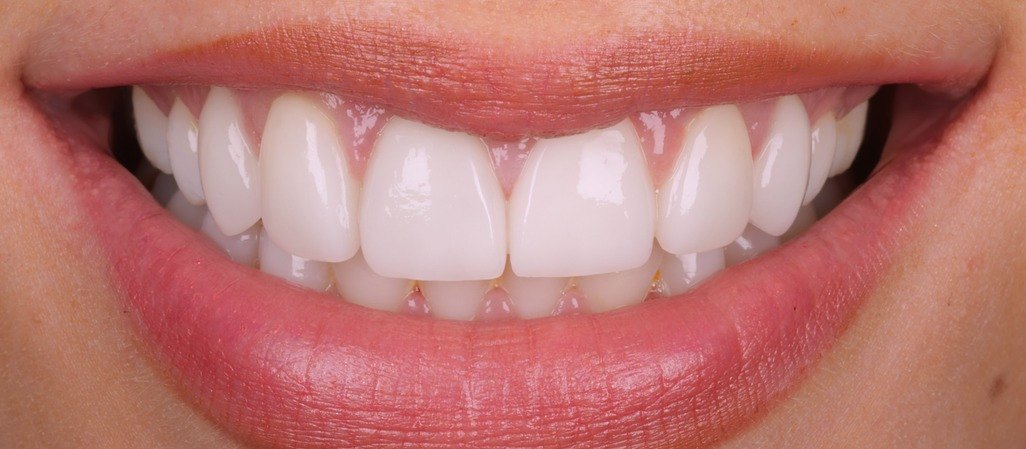
After treatment: Porcelain veneers
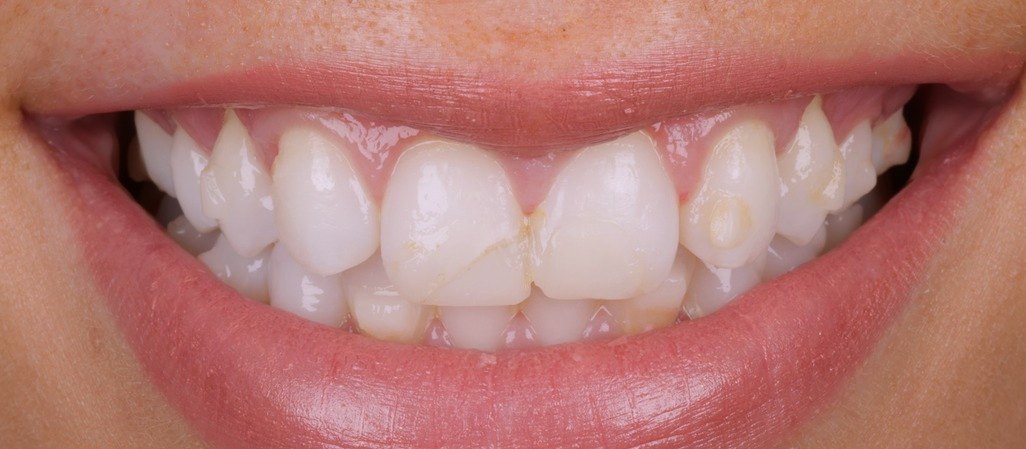
Before treatment: Porcelain veneers
BeforeAfter
Porcelain veneers
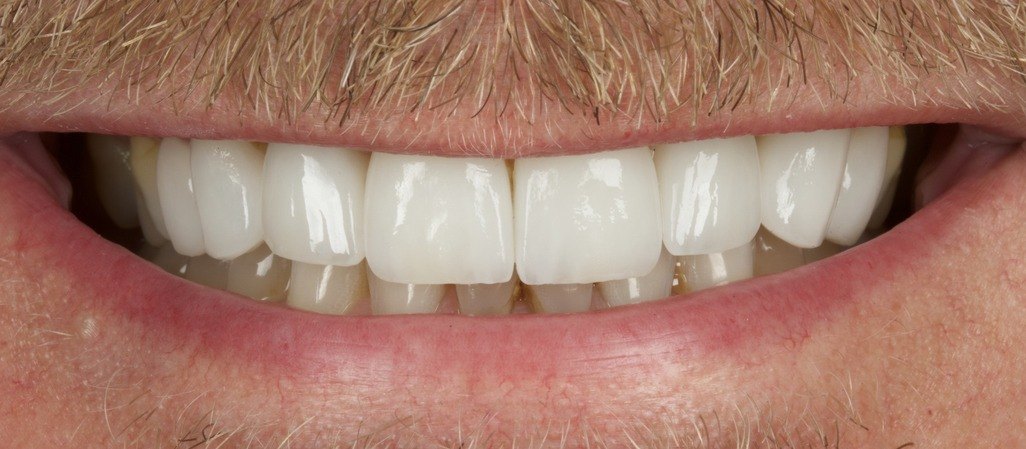
After treatment: Missing lateral incisors: whitening, crown lengthening & porcelain veneers
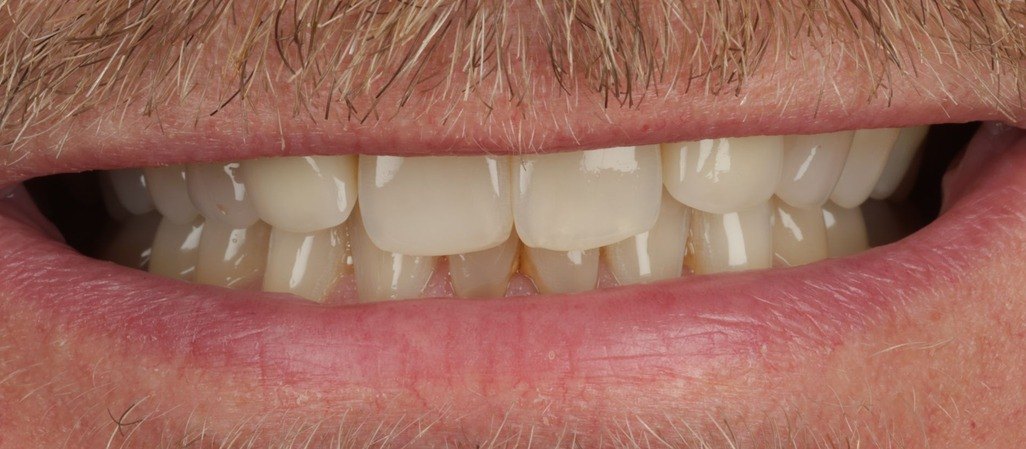
Before treatment: Missing lateral incisors: whitening, crown lengthening & porcelain veneers
BeforeAfter
Missing lateral incisors: whitening, crown lengthening & porcelain veneers

In patients’ words

“I can’t recommend Jag and the Bridge team enough! My porcelain veneers look incredibly natural.”
T.B. Veneers · Google review, Bridge Dental, Derby
“I have always been nervous of going to the dentist… I called Bridge and arranged an appointment with Jag… my teeth have been transformed… I trust Jag.”
D.G. Invisalign, implant & veneers · Google review, Bridge Dental, Derby

Quoted with each patient’s permission. Reviews describe individual experiences and may relate to other treatments Dr Jag has provided; results vary from person to person.

Questions

Frequently asked questions.

Can veneers be whitened later?

No. Porcelain does not change colour, so any whitening of your natural teeth is done first and the veneers are matched to it.

Do veneers ruin your teeth?

Porcelain veneers need a small amount of enamel to be removed, which is permanent. Careful planning with a wax-up keeps this to the minimum needed, and in some cases straightening first reduces it further.

How long do porcelain veneers last?

With good care, many porcelain veneers last ten years or more, but they are not permanent and will need replacing at some point.

Will veneers look natural?

That is the aim of the planning. The design is based on your face, lips and gums, and you preview it in your mouth before anything is made.

How many visits do veneers take?

Usually three to four visits over a few weeks, including the consultation and planning visit.

Do you provide veneers in Nottingham?

No. At Parklands Dental Care in Nottingham I provide gum treatment, gum surgery and implants. Veneers are provided at Bridge Dental & Implant Clinic in Derby.

I’m nervous about having my teeth prepared. Can you help?

Veneers do not involve surgery. You try the new shape in your mouth as a mock-up before any tooth is touched, so you can see it and ask for changes before committing, and preparation is done under local anaesthetic where needed. Visits can be paced to suit you.

Do I still see my own dentist with veneers?

Yes. Routine check-ups and hygiene visits carry on with your usual dentist. Veneers need the same care as natural teeth, so your dentist and hygienist play a big part in keeping them looking good.

Are veneers available on the NHS?

The NHS provides veneers only where they are clinically needed, not for cosmetic reasons. I provide them privately.

What affects the cost of veneers?

It depends on how many teeth are included in the wax-up and veneers, and whether other treatment, such as whitening, alignment or gum reshaping, is done first. You receive a written estimate covering every stage before you decide, valid for six months.

This page is general information, not a diagnosis. Every treatment has risks and alternatives, which are discussed with you at consultation and set out in your written plan.

Talk it through in person.

What happens next

  1. The practice calls you back to find a time that suits you.
  2. Your consultation: an examination, photos and a conversation about what you would like to change, with options from bonding to veneers explained. There is a consultation fee, which the practice confirms when they call. They can also talk you through the costs of any treatment and how you can pay.
  3. A written plan and estimate, valid for six months, before anything goes ahead.

Treatment is provided privately.

Request a consultationDerby & Nottingham · We call you back