In short
Invisalign® is a brand of clear aligner: a series of custom trays, each worn for one to two weeks, that gradually move the teeth. Treatment usually takes 6 to 18 months, with the aligners worn about 22 hours a day and reviews every 6 to 10 weeks. Retainers are then needed for life to stop the teeth moving back. Your gums must be healthy before treatment starts. I provide Invisalign® treatment at Bridge Dental & Implant Clinic in Derby.
Who are clear aligners for?
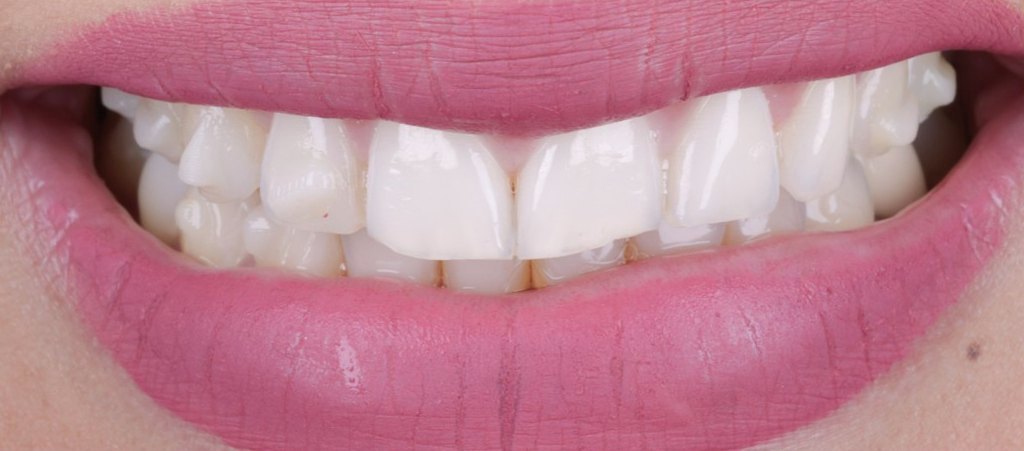
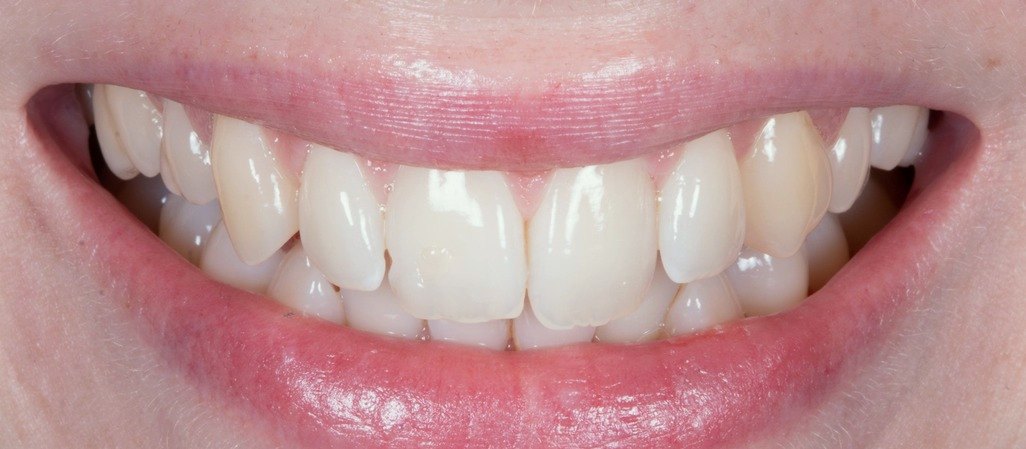
- Crowded or overlapping teeth
- Gaps between teeth
- Mild to moderate bite problems
- Teeth that have moved back after braces as a teenager
- Straightening before bonding, veneers or an implant, so less work is needed afterwards
Teeth can only be moved safely in healthy gums and bone, so any gum disease is treated and stable first. Some complex bite problems are better suited to fixed braces, and I will tell you if that applies to you.
Why straighten your teeth?
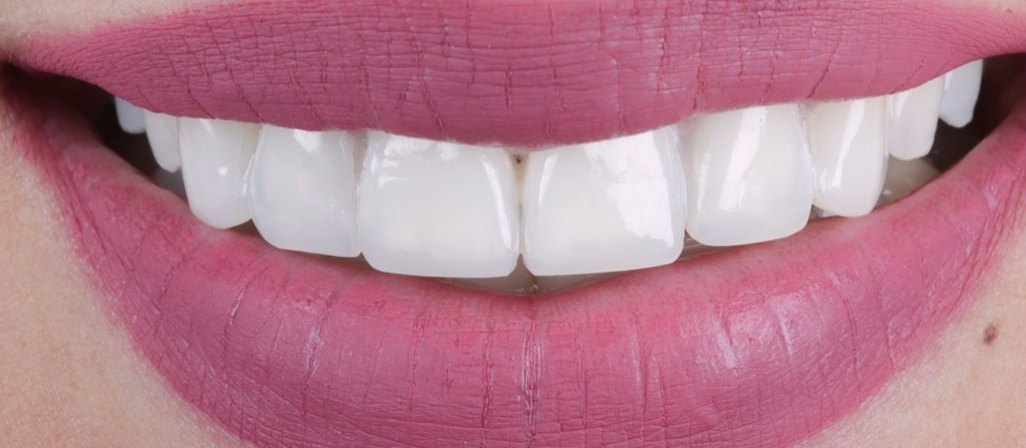
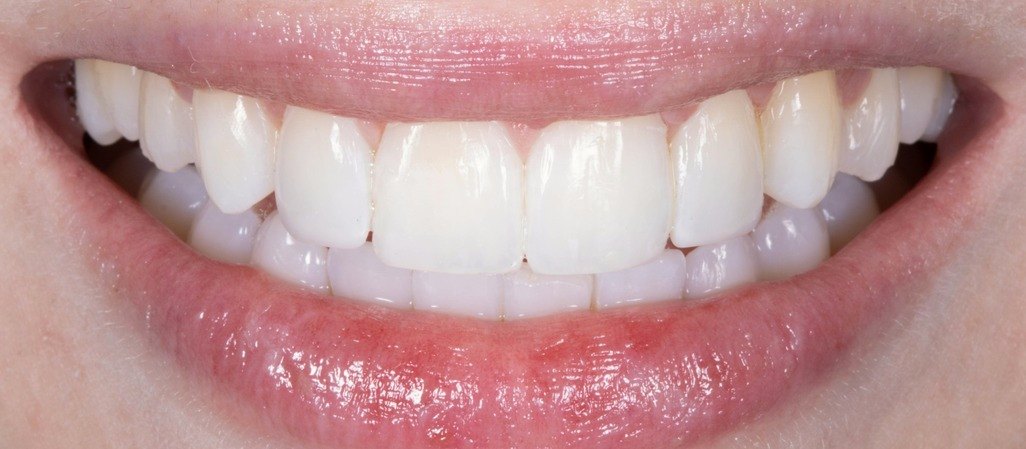
Straighter teeth are often easier to clean, and an even bite can share the load across the teeth rather than wearing a few of them down. For many people the main reason is appearance, and straightening first can mean that little or no further treatment is needed.
Moving teeth into a better position before bonding or veneers also means less tooth may need to be prepared later, which is why aligners are often the first step in an ABC smile plan.
Your aligner treatment, step by step
- Consultation and scan. An examination, gum check, X-rays, photos and a 3D digital scan of your teeth, with no messy impressions.
- Your digital plan. I plan each stage of tooth movement on the computer and show you a simulation of the planned result. It is a guide, not a promise: teeth respond individually, so the final position can differ slightly.
- Fitting the first aligners. Small tooth-coloured bumps called attachments are bonded to some teeth so the aligners can grip them, and you are shown how to put the aligners in, take them out and clean them.
- Progress reviews. Every 6 to 10 weeks I check the teeth are tracking to plan. Sometimes a little enamel is polished from between teeth (interproximal reduction) to create space, and a refinement set of aligners may be made near the end.
- Retainers. When the teeth are in position, the attachments are removed and retainers are fitted: a thin wire bonded behind the front teeth, removable retainers worn at night, or both.
Living with aligners
- The first few days of each new set. Teeth feel tight or tender for a day or two, which shows they are moving. Speech can sound slightly lispy for the first few days of treatment.
- Every day. Wear the aligners about 22 hours a day. Take them out to eat and to drink anything other than plain water, then brush before putting them back so food is not trapped against the teeth.
- Looking after them. Rinse and clean the aligners daily and keep them in their case when they are out; most lost aligners are wrapped in a napkin.
- After treatment. Wear your retainers exactly as instructed for life. Teeth naturally drift with age, and without retainers they can move back.
Before you start, make sure your check-up and hygiene visit are up to date and any fillings are done.
What are the risks?
Aligners only work when they are worn, so the result depends on wearing them as advised. Teeth can feel uncomfortable with each new set. Moving teeth can occasionally lead to gum recession or small dark triangles between teeth, and rarely to shortening of the roots. Attachments can come off and need replacing. Without retainers, the teeth are likely to move back.
Aligners compared with other options
- Fixed bracesWork full time without relying on wear, and can suit some complex movements, but are more visible and harder to clean around.
- Composite bonding or veneersCan disguise mildly crooked teeth without moving them, but add material to the teeth or remove some enamel.
- No treatmentCrooked teeth are not harmful in themselves if they can be kept clean.
Invisalign® is a trademark of Align Technology, Inc.
Where can I have Invisalign® treatment?
I provide Invisalign® clear aligners at Bridge Dental & Implant Clinic, 415 Burton Road, Derby DE23 6AN. Aligners are not offered at Parklands in Nottingham. You can request a consultation directly; you do not need a referral.