In short
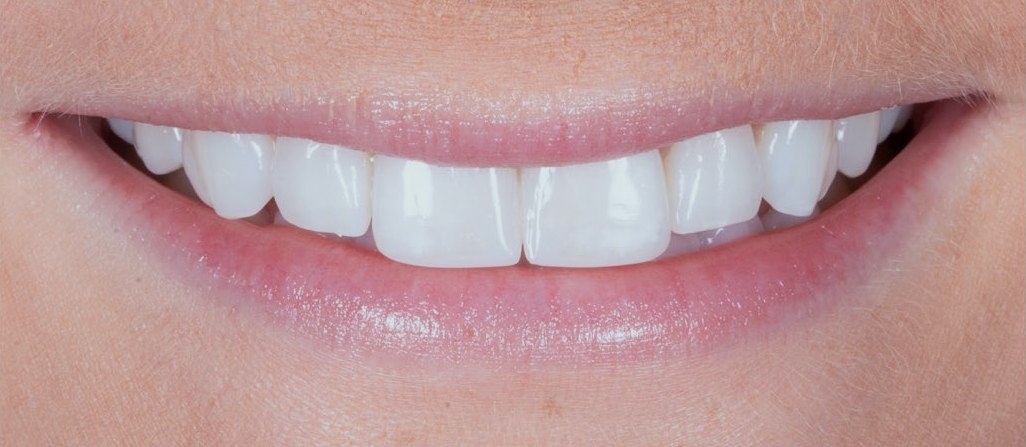
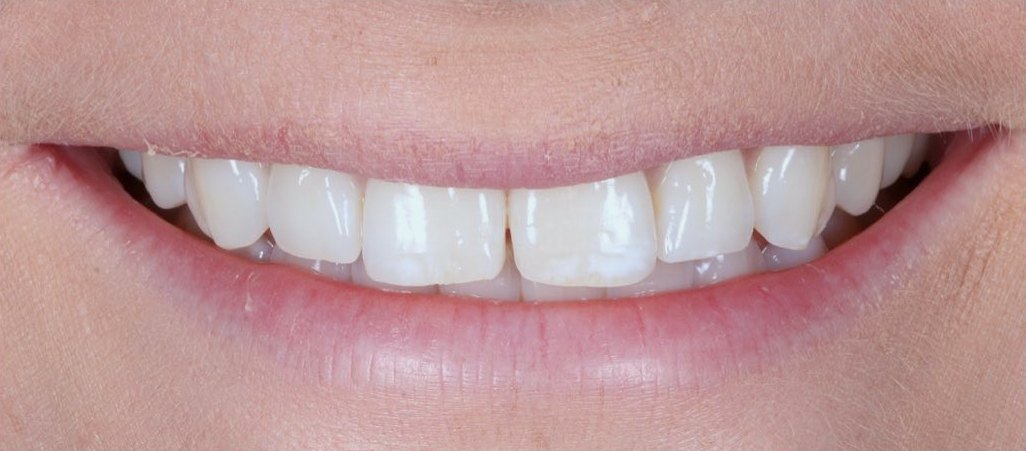
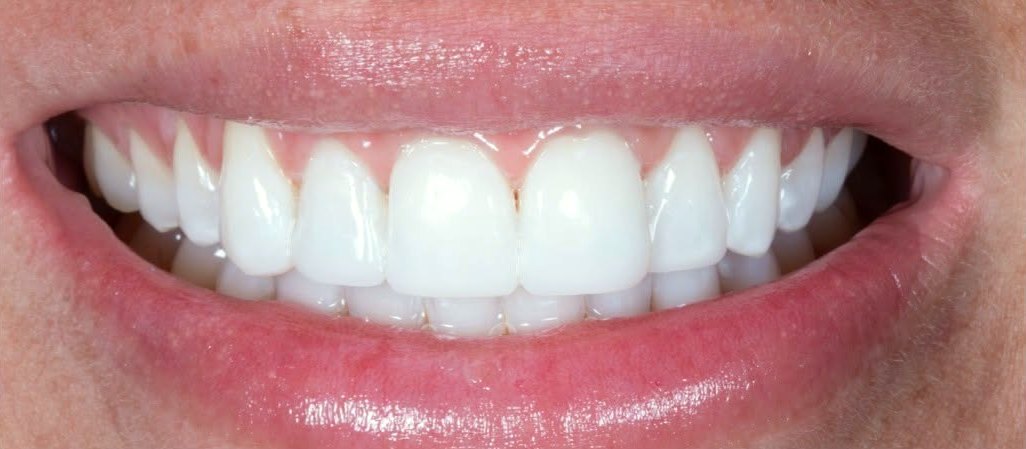
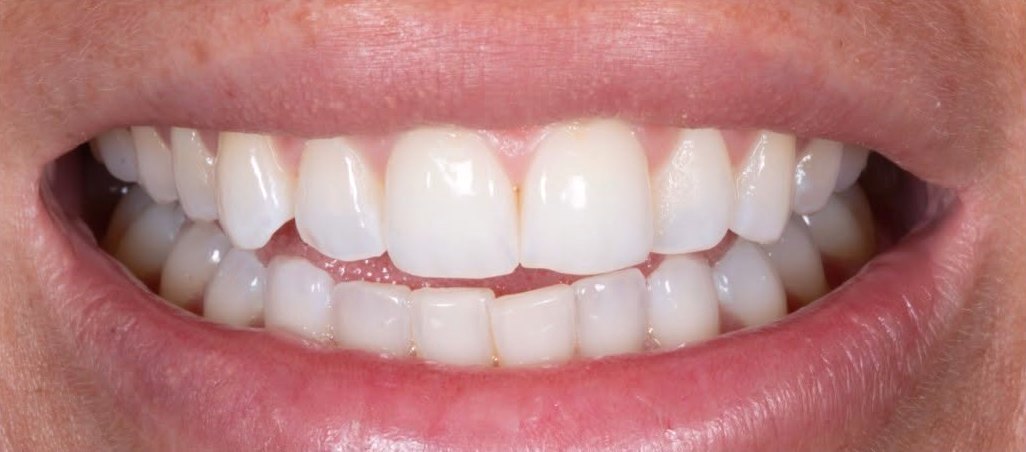
Composite bonding is tooth-coloured resin bonded onto the surface of a tooth and shaped by hand to change its outline. It is used for chipped or worn edges, small gaps, black triangles between teeth and uneven shapes. It usually takes one or two visits of about 30 to 60 minutes per tooth, and anaesthetic is rarely needed. With care it often lasts five to seven years and can be polished or repaired. I provide composite bonding at Bridge Dental & Implant Clinic in Derby.
Who is composite bonding for?
- Chipped or worn front edges
- Small gaps between teeth
- Black triangles at the gum line, for example after gum treatment
- Teeth that are slightly uneven in shape or length
- Finishing touches after straightening
It suits small to moderate changes. Where teeth are very crooked or the change needed is large, straightening first, or porcelain veneers, may give a better result. If you grind your teeth heavily or bite edge to edge, the bonding is more likely to chip, so your bite is checked first.
Why choose bonding?
Bonding adds to your teeth rather than taking away from them. Because the resin sticks to the enamel, healthy tooth usually does not need to be cut. The enamel surface is still treated so the resin can bond, and removing bonding later can affect the enamel slightly, so it is better thought of as conservative rather than fully reversible. It can be reshaped or repaired, and how often it needs repair or replacement varies from person to person.
Composite does not change colour with whitening. If you would like brighter teeth, whitening is done first and the bonding is matched to your new shade. Healthy gums matter too, because bonding placed next to inflamed gum is harder to keep clean and can stain at the edge.
Your bonding treatment, step by step
- Smile consultation. Photographs and the shade of your teeth are recorded, and your gums and bite are checked. If you want a lighter colour, whitening comes first.
- Planning and preview. For bigger changes, a mock-up or digital preview shows the planned shape so you can approve it before any resin is placed.
- Bonding. The surface is cleaned and lightly roughened, usually with little or no drilling. The resin is built up in thin layers, each set with a blue light, then sculpted and polished. Working under the microscope helps blend the edges into your tooth.
- Review. At one to two weeks your bite is checked and the surface given a final polish.
- Maintenance. Hygiene visits with polishing keep the surface smooth, and small chips can usually be repaired in one visit.
Each tooth takes about 30 to 60 minutes, so a full smile may be split over two visits.
Recovery and aftercare
- Straight away. There is usually no numbness, so you can eat normally after the visit. The new edges can feel slightly different to your tongue for a few days.
- The first 48 hours. The resin is most prone to staining, so avoid coffee, tea, red wine, curry and smoking.
- Every day. Brush and floss as usual. Do not bite nails, pens or ice, and wear a night guard if one is made for you.
- Over the years. Composite gradually loses its shine and can pick up stain. Polishing at hygiene visits helps, and with care bonding often lasts five to seven years before it needs refreshing.
If whitening is part of your plan, allow a fortnight between your last whitening session and the bonding visit, so the colour is stable when it is matched. Photos of smiles you like are useful to bring.
What are the risks?
Composite can stain, chip or come away from the tooth, particularly with grinding or biting hard objects, and it will need repairing or replacing over time. Teeth are occasionally sensitive for a few days. Bonding can make edges slightly thicker, and if too much is added it can be harder to clean around, which is why the shape is planned carefully.
Bonding compared with other options
- WhiteningBrightens your natural teeth, but does not change their shape.
- Clear alignersMove the teeth themselves, which can close gaps or straighten edges without adding material.
- Porcelain veneersResist staining and wear better over the years and suit larger changes, at the cost of removing some enamel.
- Leaving things as they areSmall chips and gaps are not harmful in themselves.
Where can I have composite bonding?
I provide composite bonding at Bridge Dental & Implant Clinic, 415 Burton Road, Derby DE23 6AN. Bonding is not offered at Parklands in Nottingham. You can request a consultation directly; you do not need a referral.