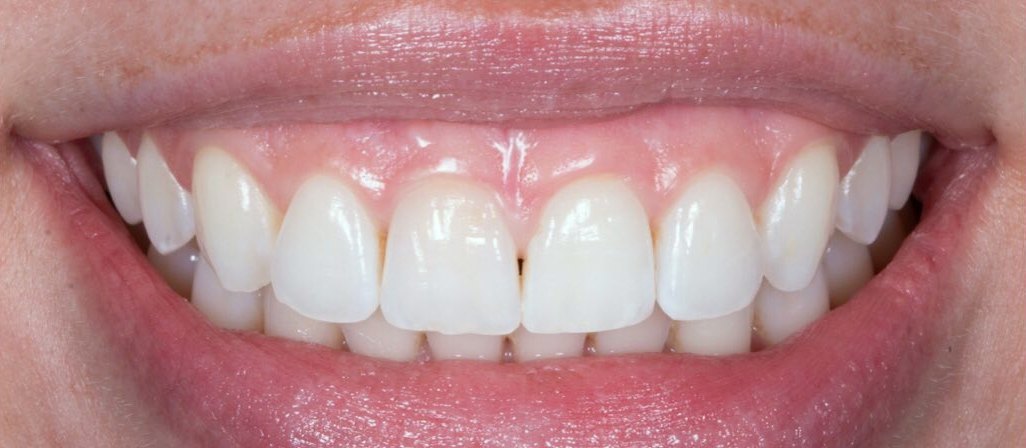
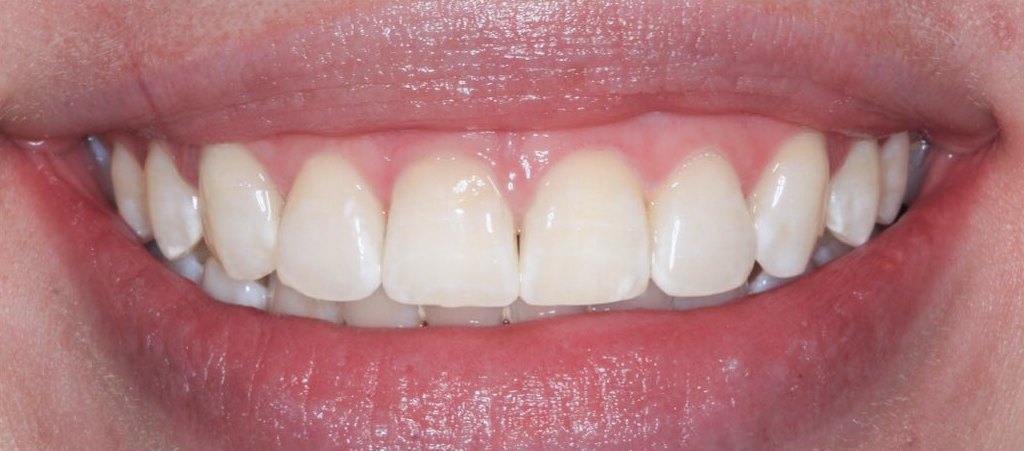
In short
Professional teeth whitening uses custom-fitted trays and a whitening gel, worn at home, usually for two to three weeks. In the UK, whitening products containing or releasing between 0.1% and 6% hydrogen peroxide can only be used after an examination by a dentist, who prescribes the treatment, with the first use of each course carried out or directly supervised by a dentist (or a dental hygienist or therapist working to the dentist’s prescription). Nothing stronger is permitted for cosmetic use, and products above 0.1% cannot be used for anyone under 18 except to treat or prevent disease. Whitening lightens natural teeth only: crowns, veneers and fillings stay the same colour. I provide whitening at Bridge Dental & Implant Clinic in Derby.
Who is teeth whitening for?
- Teeth that have yellowed with age
- General staining from tea, coffee or red wine
- Brightening before bonding, veneers or crowns, so they can be matched to a lighter shade
- The middle step of an ABC smile plan
Whitening is not suitable for everyone. Decay and gum disease need treating first, and it is usually postponed during pregnancy and breastfeeding. Some deep grey or patchy stains, and teeth darkened after root canal treatment, respond less well and may need other options.
Why have whitening done professionally?
Whitening gels work by releasing oxygen that breaks down the stain inside the tooth. The strength allowed is set by law, and in the UK products containing or releasing between 0.1% and 6% hydrogen peroxide may only be used after a dentist has examined you and prescribed the treatment. The first use of each course must be carried out or directly supervised by a dentist, or by a dental hygienist or therapist working to the dentist’s prescription, after which you continue at home. Nothing stronger may be used for cosmetic whitening. Beauty salons and kiosks offering stronger products are acting illegally.
An examination first matters because whitening sore, decayed or receding teeth can be painful, and because fillings, crowns and veneers will not change colour. Planning around them avoids patchy results.
Your whitening treatment, step by step
- Assessment. I check your teeth and gums are healthy, look at existing fillings, crowns and veneers, and record your starting shade with photographs.
- Scans for your trays. A digital scan or impressions are taken so thin, close-fitting trays can be made for you.
- Fitting the trays. The trays are checked for fit and you are shown how much gel to use, with the first application supervised and full written instructions.
- Whitening at home. You wear the trays with gel as prescribed, usually for two to three weeks.
- Review. Your shade is compared with the start. The trays can be kept for occasional top-ups.
What to expect while whitening
- The first few days. Teeth can become sensitive to cold, and some people notice short, sharp twinges. This is usually mild and settles once whitening stops; a toothpaste for sensitive teeth, or pausing for a night or two, helps.
- Gums. Gel that touches the gum can make it white or sore for a short while. Using only the amount shown, and wiping away any excess, avoids most of this.
- While you are whitening. Cut down on strongly coloured food and drink, such as coffee, tea, red wine and curry, and avoid smoking.
- Afterwards. Results vary from person to person and fade slowly over time, depending on diet and habits. Occasional top-ups with your trays keep them fresh.
If you are planning bonding, veneers or crowns, finish whitening at least two weeks before the shade is chosen so the colour has settled.
What are the risks?
Sensitivity and gum irritation are the most common side effects and are usually temporary. Whitening does not change the colour of fillings, crowns or veneers, so these may need replacing afterwards to match. Overuse, or using products that are too strong, can damage the gums and make teeth sensitive. How white your teeth become cannot be predicted exactly.
Whitening compared with other options
- A scale and polishRemoves surface stain from tea, coffee or smoking, but does not change the natural colour of the tooth.
- Composite bondingCan cover a single darker tooth or a stain that whitening will not shift.
- Porcelain veneersChange colour and shape together, but need some enamel removed.
- No treatmentNatural tooth colour varies and is not a sign of poor health.
Where can I have my teeth whitened?
I provide teeth whitening at Bridge Dental & Implant Clinic, 415 Burton Road, Derby DE23 6AN. Whitening is not offered at Parklands in Nottingham. You can request a consultation directly; you do not need a referral.