Treatments · Dental crowns · Derby

Dental crowns in Derby.

A crown covers and protects a tooth that has been weakened by a large filling, a crack or root canal treatment, or sits on top of an implant to replace a missing tooth. Modern ceramic crowns are made to match the shape and shade of your own teeth.

Anaesthetic LocalVisits Usually 2 to 3Fitting Usually 2 to 3 weeks later

Or call Derby 01332 364630 · Dentists: refer a patient →

In short

A dental crown is a cap that covers the whole visible part of a tooth to strengthen it and restore its shape. It usually takes two or three visits: an assessment, one to prepare and scan the tooth (with a core build-up if needed), and one to fit the crown about two to three weeks later. If the tooth is broken down to the gum, crown lengthening may be needed first. I provide crowns at Bridge Dental & Implant Clinic in Derby.

When is a crown needed?

  • A tooth with a very large filling that is likely to break
  • A cracked or broken tooth
  • A back tooth after root canal treatment
  • A badly worn or discoloured tooth
  • On top of a dental implant (see dental implants)

Why does a weakened tooth need a crown?

A tooth with a very large filling, a crack or a root filling is like a hollowed-out shell. Each time you bite, the remaining walls flex, and a back tooth can split, sometimes below the gum where it cannot be saved. A crown covers the whole tooth and holds it together, so biting forces are spread more evenly.

The gum around the tooth needs to be healthy first, so the edge of the crown sits in healthy tissue. If there is not enough tooth left above the gum, crown lengthening may be needed so the crown has something to grip.

Your crown, step by step

  1. Assessment. An examination and X-rays confirm the tooth can be restored and the gum and root are healthy. Any root canal treatment needed is completed first.
  2. Core build-up. If the tooth is broken down, it is rebuilt with a filling so it can support the crown.
  3. Preparation and scan. Under local anaesthetic, the tooth is shaped with the help of a dental microscope, so its edges are clearly defined, and a digital scan taken. I record the colour of the neighbouring teeth with photographs for the technician, then protect the tooth with a temporary crown. This visit takes about 60 to 90 minutes.
  4. Making the crown. Your dental technician makes the crown from the scan, which takes around two to three weeks; the temporary protects the tooth meanwhile.
  5. Fitting. The fit, bite and shade are checked in your mouth before the crown is fixed in place, usually in a 30 to 45 minute visit.

After your crown

  1. After preparation. Wait until your lip and tongue feel normal before eating or having anything hot. The prepared tooth and the gum around it may ache slightly for a couple of days.
  2. With the temporary crown. Avoid sticky or hard food on that side, and when you floss, slide the floss out sideways rather than lifting it. If the temporary comes off, call the practice so it can be re-cemented.
  3. After fitting. Some sensitivity to cold is common and usually settles within days. If the bite feels high, let the practice know, as it is quick to adjust.
  4. Long term. Clean carefully where the crown meets the gum, including between the teeth, and keep your regular check-ups. Many crowns last ten years or more.

Before each visit, eat as normal, tell the practice about any medicines, and allow time for the anaesthetic to wear off afterwards.

What are the risks?

Shaping a tooth removes tooth structure permanently. A small number of crowned teeth later need root canal treatment. Crowns can chip, come loose or develop decay at the edge, and the gum can recede to show the margin.

How does a crown compare with the alternatives?

  • A large fillingQuicker and keeps more tooth, but is weaker in a heavily filled tooth.
  • An onlay or partial crownCovers only the weak parts and keeps more healthy tooth where possible.
  • Extraction and an implantWorth considering when so little root remains that a crown would not last.
  • Leaving the tooth as it isNo treatment now, but a heavily filled or cracked tooth can split, sometimes beyond repair.

Where can I have a crown fitted?

I provide crowns on natural teeth at Bridge Dental & Implant Clinic, 415 Burton Road, Derby DE23 6AN. Crowns on natural teeth are not offered at Parklands in Nottingham. You can request a consultation directly; you do not need a referral.
Further reading

Treated by Dr Jag

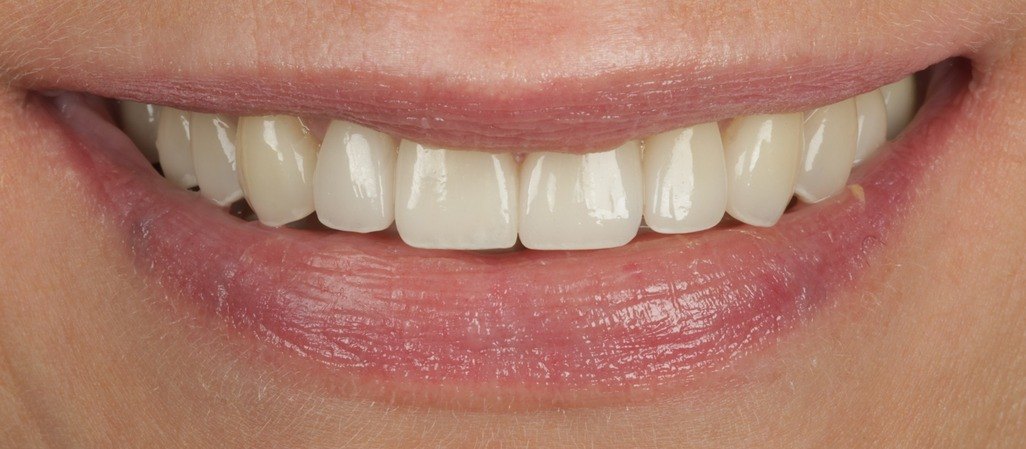
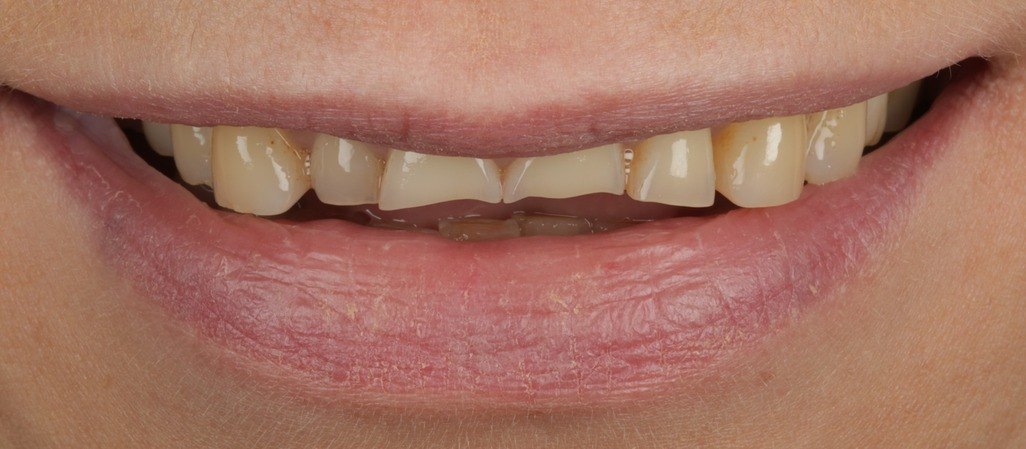
Results from real patients.

Drag the slider to compare. Shared with each patient’s consent. Photos are cropped to show the treated area and are not retouched; some results include other treatments, named under each photo. Every mouth is different.

After treatment: Full-mouth rehabilitation in porcelain
Before treatment: Full-mouth rehabilitation in porcelain
BeforeAfter
Full-mouth rehabilitation in porcelain

In patients’ words

“It’s been a long process but the difference is unbelievable.”
K.W. Full treatment · Google review, Bridge Dental, Derby

Quoted with each patient’s permission. Reviews describe individual experiences and may relate to other treatments Dr Jag has provided; results vary from person to person.

Questions

Frequently asked questions.

What if my temporary crown comes off?

Call the practice and it can be re-cemented. Keep the tooth covered: without its temporary, the tooth can become sensitive or shift slightly, and the new crown may not fit as well.

Will the crown look natural?

The shade is matched and photographed for the laboratory, and the crown is checked in your mouth for shape, colour and bite before it is fixed.

How long does a crown last?

Many crowns last ten years or more with good care and regular checks, but none are permanent.

Does getting a crown hurt?

The tooth is numbed with local anaesthetic, so most people feel only pressure. Mild tenderness for a day or two afterwards is common.

What is a core build-up?

A filling that rebuilds the inside of a broken-down tooth so the crown has a solid base to sit on.

Can I have a crown at Parklands in Nottingham?

Not on a natural tooth: for that, you would see me at Bridge Dental & Implant Clinic in Derby. At Parklands in Nottingham I provide gum treatment, gum surgery and implants, and the crown that sits on an implant is part of that implant treatment at either practice.

I’m nervous about having a crown. What helps?

A crown is usually two to three visits, each under local anaesthetic where needed, with a temporary crown in between so you are not left with a gap. If long appointments are hard for you, tell the practice and visits can be kept shorter.

Can my own dentist look after my crown?

Yes. If your dentist referred you for a crown, they remain your dentist for everything else and can check it at your routine visits, and I write to them once the crown is fitted.

Can I have a crown on the NHS?

Crowns are available on the NHS from NHS dentists where they are clinically needed. I provide them privately.

What affects the cost of a crown?

It depends on how many crowns you need and whether other treatment, such as a core build-up or crown lengthening, is needed first. You receive a written estimate covering every stage before you decide, valid for six months.

This page is general information, not a diagnosis. Every treatment has risks and alternatives, which are discussed with you at consultation and set out in your written plan.

Talk it through in person.

What happens next

  1. The practice calls you back to find a time that suits you.
  2. Your consultation: an examination and X-rays to check the tooth and whether a crown is the right option for it. There is a consultation fee, which the practice confirms when they call. They can also talk you through the costs of any treatment and how you can pay.
  3. A written plan and estimate, valid for six months, before anything goes ahead.

Treatment is provided privately.

Request a consultationDerby & Nottingham · We call you back